
What is API ?

What is API (Active Pharmaceutical Ingredient)?
The Foundation of Every Medicine
Every medicine you take — whether it is a tablet for fever, a capsule for infection, or a syrup for cough — contains one essential component that actually does the work of healing. This component is called the Active Pharmaceutical Ingredient, or API.
At CellArtgen Lab Pvt. Ltd., a WHO-GMP certified third party pharmaceutical manufacturer based in Mohali, Punjab, every manufacturing journey begins with a deep understanding of the API — its properties, its behavior, and its interaction with the human body.


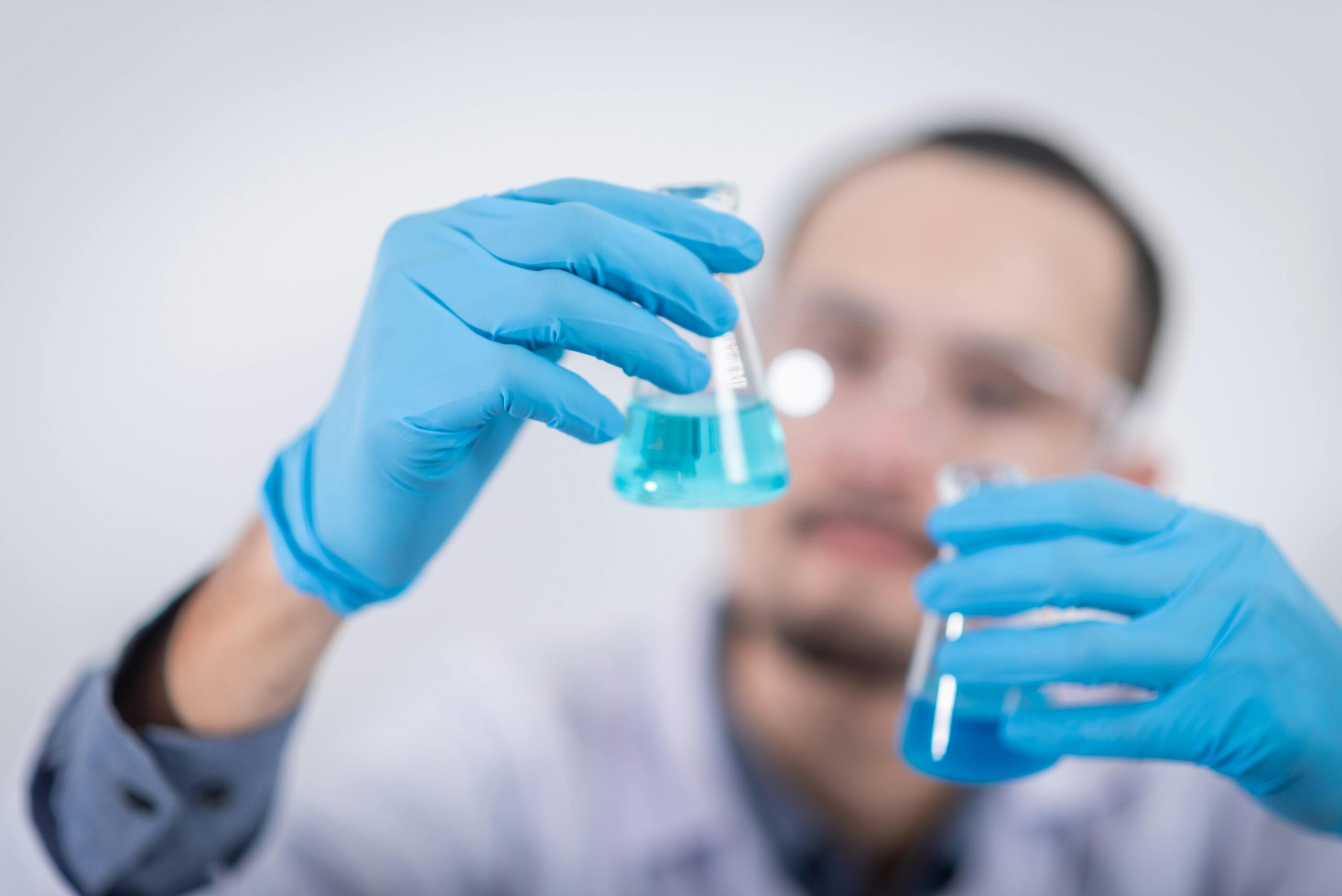
An Active Pharmaceutical Ingredient (API) is the biologically active component in a pharmaceutical formulation that produces the intended therapeutic effect in the patient. In simple terms — it is the ingredient that actually treats, cures, prevents, or diagnoses a medical condition.
💊 In a Paracetamol tablet — the API is Paracetamol, which reduces fever and relieves pain.
💊 In an Amoxicillin capsule — the API is Amoxicillin, which kills bacteria.
💊 In an Omeprazole capsule — the API is Omeprazole, which reduces stomach acid.
Every other ingredient in the medicine — the fillers, binders, coatings, and flavors — are called excipients. These do not produce any therapeutic effect. Their role is to deliver the API to the right part of the body, at the right time, in the right amount.
⚗️ API (Active Pharmaceutical Ingredient)
Pharmacologically active — interacts with biological systems in the body to produce a measurable therapeutic response.
🧪 Excipient
Pharmacologically inert — plays a supportive role in formulation, stability, and delivery but produces no medical effect itself.
API manufacturing is a highly complex, multi-step chemical synthesis process that takes place in specialized facilities. The process involves:
Chemical Synthesis or Fermentation
APIs are either chemically synthesized through controlled chemical reactions, or produced through biological fermentation using microorganisms. Some APIs — such as insulin — are produced using biotechnology and recombinant DNA technology.
Purification
After synthesis, the crude API undergoes multiple purification stages to remove impurities, by-products, and residual solvents. Even trace levels of impurities can affect both safety and efficacy of the final product.
Characterization & Testing
The purified API undergoes rigorous analytical testing including HPLC, IR Spectroscopy, and Mass Spectrometry to confirm identity, purity, potency, and physical properties.
Micronization or Milling
Depending on formulation requirements, the API may be micronized — reduced to very fine particles — to improve its dissolution rate and bioavailability in the human body.
“The quality of the final product can never exceed the quality of the raw materials that go into it.”
The quality of the API is the single most important factor that determines the quality, safety, and efficacy of the final pharmaceutical product. Regulatory bodies such as the WHO, US FDA, and CDSCO have established strict guidelines for API manufacturing under cGMP.
At CellArtgen Lab Pvt. Ltd., Mohali, we source all APIs exclusively from approved, audited, and certified manufacturers. Every incoming API lot is subjected to full analytical testing in our in-house Quality Control laboratory before being approved for production use.
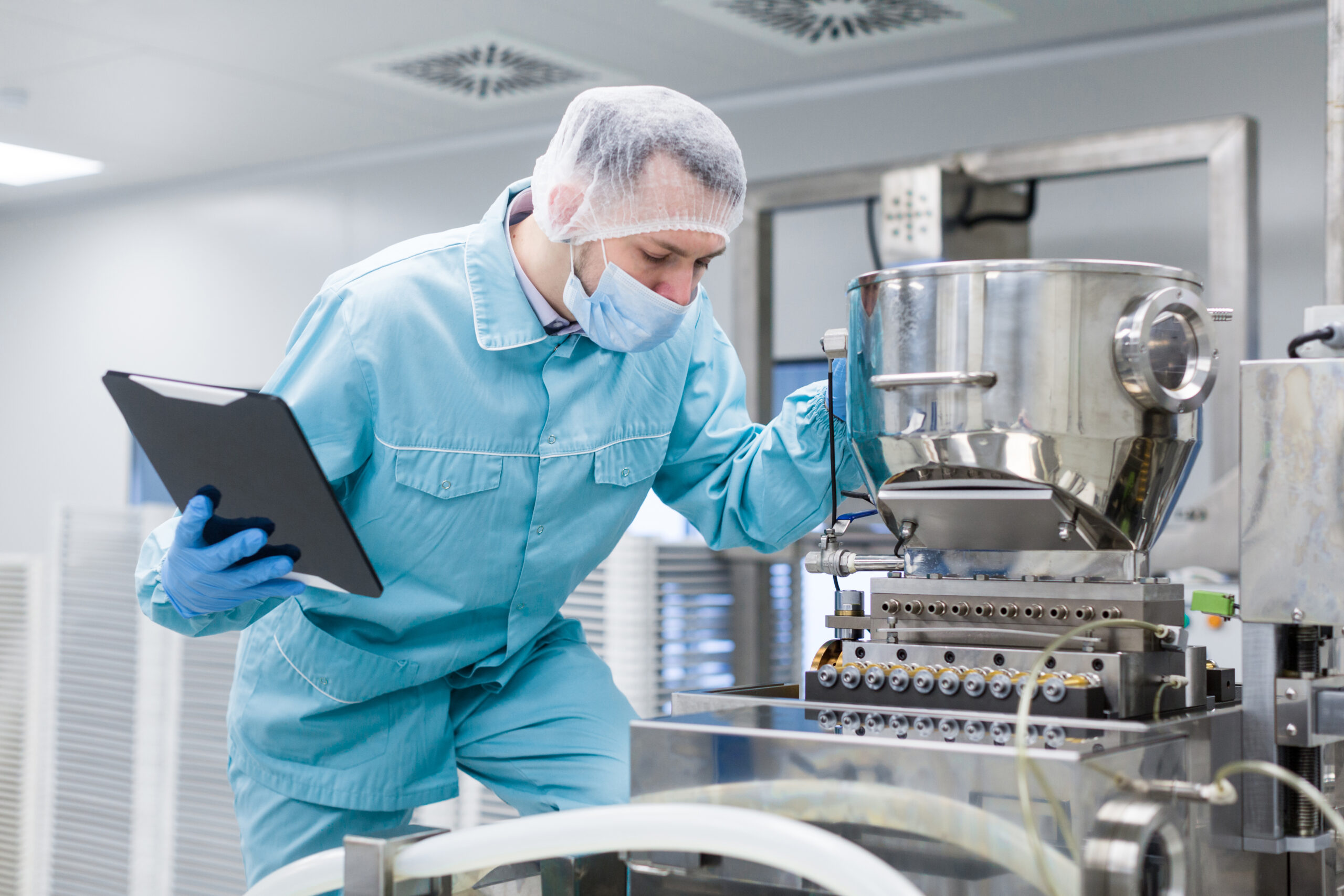
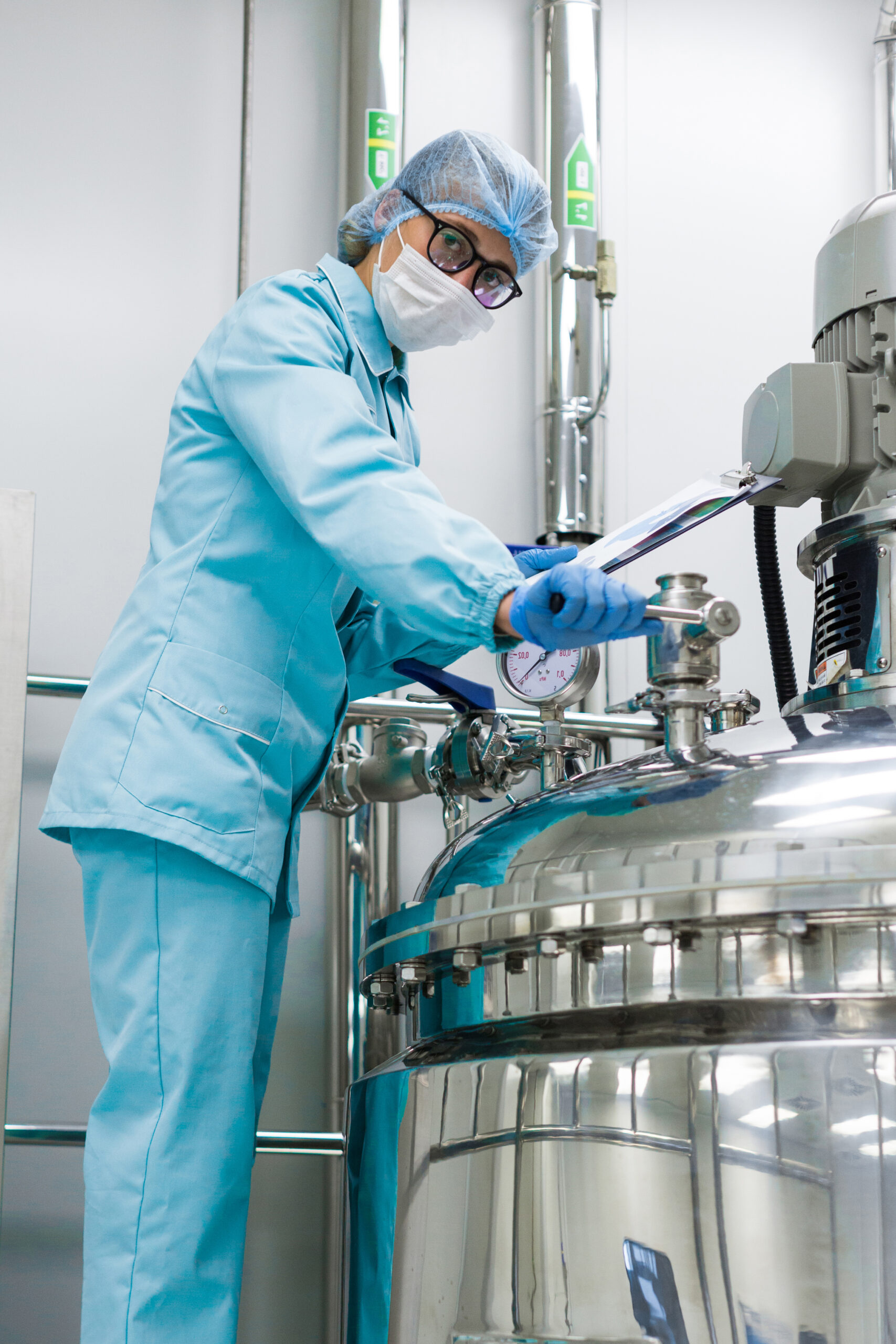
One of the most important characteristics of an API is its stability — its ability to maintain chemical integrity, potency, and safety under defined conditions of temperature, humidity, and light over its intended shelf life.
📊 Shelf Life Determination
Stability data directly determines the shelf life assigned to the final drug product.
🌡️ Storage Conditions
Stability studies define recommended storage conditions — cool & dry, refrigerated, or protected from light.
📦 Primary Packaging
Stability data determines the type of packaging required to protect the API from degradation.
In the third party pharmaceutical manufacturing model — the core business of CellArtgen Lab Pvt. Ltd. in Mohali — the client typically provides or approves the API source, while the manufacturing partner formulates it into the final dosage form ensuring full regulatory compliance.
Our WHO-GMP certified facility in Mohali is equipped with the infrastructure, expertise, and quality systems to handle a wide range of APIs across multiple dosage forms — including tablets, capsules, syrups, dry powder injections, and beta-lactam formulations.
The Active Pharmaceutical Ingredient is the heart of every medicine. Understanding what an API is, how it is manufactured, and why its quality is critical is the essential starting point for understanding the entire pharmaceutical manufacturing process.
In the next part of this series, we will explore Raw Material Procurement & Testing — the process through which APIs and excipients are sourced, evaluated, and approved for use in pharmaceutical manufacturing at CellArtgen Lab Pvt. Ltd., Mohali.
